

The healthcare field is a “no time to wait” environment for both patients and workers. Responding to sudden changes, night shifts, overtime, complex coordination tasks. While the work is deeply rewarding, the constant busyness can become the norm, leaving many wondering, “How much harder can I push myself?”
Amidst this, work style reform is gaining attention. However, healthcare work isn’t simply about reducing overtime or cutting tasks. Patient safety and treatment quality must be maintained at all costs, and healthcare professionals also bear the responsibility of continuous learning.
This is precisely why workstyle reform in healthcare isn’t about taking the easy way out; it’s about reforming to ensure sustainability while maintaining quality.
This article outlines why workstyle reform is necessary in healthcare settings and details specific strategies for working efficiently while enhancing professional expertise.
What is Work Style Reform?

Work Style Reform is a major initiative to create a society where individuals can choose diverse work styles tailored to their personal circumstances. The “Act on the Revision of Related Laws for the Promotion of Work Style Reform,” promulgated in 2018, established a system centered on the following three pillars:
First is the correction of long working hours. Strict standards were imposed, such as a clear cap on overtime hours and a limit of 720 hours per year even under special circumstances. A system was also introduced to ensure workers take at least five days of paid leave annually. Companies are now obligated to track working hours to protect workers’ health.
Second, to realize flexible working styles, an effort obligation was established to expand systems ensuring a certain period of rest between the end of one shift and the start of the next.
Third, ensuring fair treatment regardless of employment status. Unreasonable disparities in treatment between non-regular workers (such as part-time, fixed-term, and dispatched workers) and regular employees are prohibited. Companies are now obligated to explain the content and reasons for any treatment differences.
This trend is impacting various workplaces, including medical institutions, driving efforts to reevaluate working practices within healthcare settings.
Why Work Style Reform is Needed in Healthcare Settings

Healthcare institutions face mounting pressures from busyness and staffing shortages, creating environments that cannot be sustained by individual effort alone. To continue providing safe, high-quality care, it is essential to reexamine work practices themselves and establish systems that ensure healthy workplace functioning.
Here, we outline the necessity from three perspectives.
Reason 1: Busyness Cannot Be Solved by Individual Effort Alone
Medical work carries heavy responsibility, and conscientious individuals often tend to shoulder more, thinking “I’ll manage somehow.” However, recent years have seen a definite increase in workload within healthcare settings, driven by factors like rising administrative tasks, greater task fragmentation, and electronic medical record implementation. Under these conditions, the traditional approach of relying on “willpower and grit” to sustain operations has reached its limits.
Pushing through relentlessly leads to fatigue-induced impaired judgment, increasing the likelihood of near misses and incidents. The very safety we are meant to protect could be compromised by increased individual burdens.
This is precisely why we must shift from operations reliant on individual effort to a system where the organization optimizes workflows and institutionalizes support for safety and quality.
Reason 2: Directly Impacts Patient Safety
Healthcare is a highly specialized profession demanding concentration, attention, and teamwork. Even the most experienced staff, when chronically fatigued or sleep-deprived, communicate less, overlook verification steps, and become more prone to errors.
Workstyle reform is often perceived as being “only for staff,” but it is actually a crucial foundation for providing patients with safe, high-quality medical care. Ensuring workers are in sound condition directly impacts the quality of healthcare itself.
Reason 3: Time for Enhancing Expertise is Being Taken Away
For healthcare professionals to continue growing, time for training, study sessions, case reviews, and reflection is indispensable. However, the busier the frontlines become, the more this learning time tends to be postponed. Many report being stretched thin just managing daily duties, leaving insufficient opportunities for skill enhancement.
If this persists, even as years of experience accumulate, healthcare professionals may feel their expertise isn’t deepening. This can foster a sense of merely “getting by,” potentially leading to diminished motivation for growth and increased turnover.
Workstyle reform isn’t solely about reducing burdens; it’s also an effort to create an environment where healthcare professionals can continue learning and secure time to cultivate their expertise.
Medical Work Style Reform Starts with “Streamlining Systems”

The key to improving efficiency in healthcare settings lies in small, incremental improvements that reduce waste and friction on the front lines by refining systems.
Here are six practical improvement measures you can start implementing tomorrow. Even without large-scale reforms, daily refinements can lead to significant change.
Technique ①: Reduce “Search Time”
In busy settings, needed information often can’t be found immediately, consuming more time than expected.
- Procedure manuals aren’t stored in a consistent location
- Explanations of precautions vary between staff for the same test
- Handover formats aren’t standardized
Such inconsistencies lead to time losses ranging from tens of minutes to hours each day.
First, consolidate frequently requested information onto a single sheet and keep it in a consistent location.
Example: Consolidate frequently used procedure manuals, medication precautions, contact information, and checklists—either on paper or digitally—in a designated location.
Organizing information this way reduces verification effort and reliably lightens the workload. Even small improvements can significantly boost operational efficiency.
Technique ②: Make Records Short and Accurate

Records are the lifeline of healthcare, but longer isn’t necessarily better.
- Writing from scratch each time
- Repeating the same phrasing multiple times
- Essential information buried and hard to review
Leaving this unaddressed not only increases documentation time but also lowers the accuracy of information transfer. Implementing templates is a simple method that improves both.
For example, fixing SOAP headings and preparing standardized formats like “These specific questions for this symptom” reduces omissions.
The key is not to reduce free-form writing, but to organize critical information into a format that’s immediately clear. This makes things easier for both writers and readers, improving the overall workflow.
Technique ③: Shorten Meetings Instead of Eliminating Them
In workplaces with many meetings, field time tends to get squeezed accordingly. Yet eliminating meetings entirely isn’t realistic. Therefore, we need strategies to improve meeting quality.
- Share agendas in advance
- Distinguish between decision-making meetings and information-sharing sessions
- Set a fixed end time
- Document decisions, responsibilities, and deadlines immediately
Implementing just these four practices transforms meetings from vague gatherings into productive decision-making forums.
Sharing agendas beforehand is particularly effective, fostering a habit of “pre-thinking” among participants. By making meetings shorter and more focused, you preserve operational time on the front lines.
Technique ④: Identify “Tasks to Delegate” from Specialists
In healthcare settings, specialists often shoulder tasks beyond their core expertise.
- Administrative processing, coordination, inventory management
- Standard document guidance
- Appointment and referral letter verification
These tasks lend themselves well to streamlining through systemization or sharing with other roles. However, reviewing everything at once is unrealistic. A manageable approach is to start by selecting just one “task to delegate” per week.
Reducing the burden of these peripheral duties allows professionals to focus on their core responsibilities. This not only improves the quality of care but also increases job satisfaction. Long-term, it helps prevent turnover, facilitates new employee training, and contributes to the overall stability of the organization.
Technique⑤:Make Handoffs Visible
Handoffs are critical tasks affecting both safety and efficiency. Relying solely on verbal communication risks missed information or misinterpretations, while overly long written notes often go unread.
Therefore, creating a “short template” is recommended.
Example:
- Current Status (What is happening)
- Risks (What to watch out for)
- Next Steps (When and what to do)
Following this format ensures only essential information remains, making sharing faster and safer. Since everyone from new hires to veterans can communicate using the same template, communication quality becomes more consistent.
Technique ⑥: Preventing Misunderstandings by Improving “Communication Methods” and “Processes”

A common oversight in workstyle reform is the friction in daily communication. The busier people get, the shorter their words become, leading to more misunderstandings and more confirmations—a vicious cycle. When this accumulates, it affects not only efficiency but also team morale.
The key to reducing friction is to focus on processes, not individuals.
No: “Your approach is wrong.”
Yes: “Because procedures vary between people, we need more confirmations, which takes time.”
Simply reframing language like this makes discussions more constructive and facilitates improvements. Shifting focus from blame to reviewing systems is the first step toward building a healthy workplace.
Strategies for Enhancing Expertise: Systems to Prevent Procrastination in Learning

After creating time through efficiency improvements, how that time is used becomes crucial. For healthcare professionals, whether that time can be dedicated to learning and reflection that enhance expertise significantly impacts job satisfaction.
Make Learning a “Habit,” Not an ‘Event’
Study sessions and training are valuable, but frequent scheduling or time constraints often make participation difficult. Treating learning as a “special event” makes it hard to sustain. Therefore, designing short learning activities that fit into daily routines is effective.
- 10 minutes daily: Review key points from cases or guidelines
- Once a week: Share one learning point as a team
- Use new employee training sessions to update veteran knowledge
Short learning sessions are low-burden and easy to incorporate, making them naturally sustainable. This daily accumulation creates significant differences. A workplace where learning continues even during busy times tends to become an organization where growth is tangible.
Create a system that rewards those who teach
While new employee training is vital, overburdening instructors can lead to burnout and feelings of unfairness. Establishing a system that rewards those who teach creates a positive cycle of education.
For example, if a new employee repeatedly asks the same question, view it not as a personal failing, but as an indication that FAQs or procedure documentation are insufficient.
- List and share common questions
- Create reference materials or videos for repeated review
- Develop a “training template” that evolves with each session
This not only reduces the instructor’s burden but also standardizes training quality, allowing new hires to avoid unnecessary anxiety. Furthermore, it creates a synergistic effect where instructors deepen their own understanding, ultimately elevating the entire organization’s capabilities.
A new step will transform healthcare settings
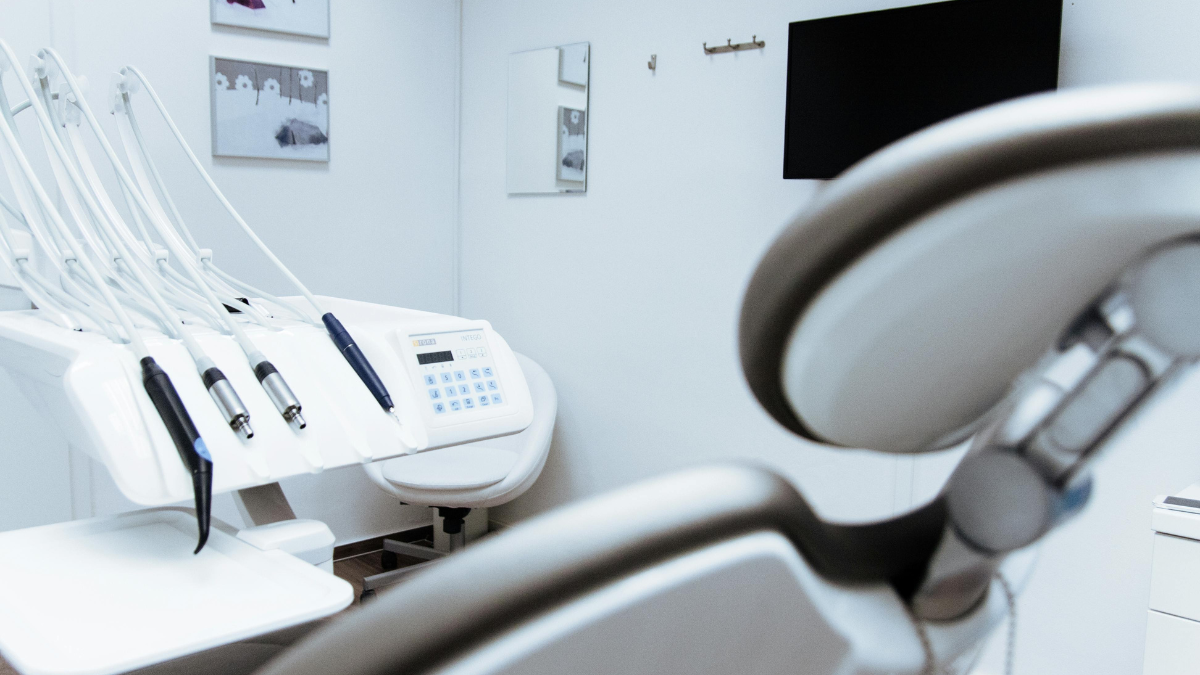
When we talk about workstyle reform in healthcare settings, we tend to envision major overhauls. But the first step can be a much smaller initiative. Gradually accumulating sustainable improvements creates breathing room. This space becomes the foundation supporting patient safety and healthcare quality, while also providing time for healthcare professionals themselves to grow.
Workstyle reform is essential in healthcare settings. It’s not merely about reducing burdens; it’s a vital strategy for sustaining high-quality care into the future.
Efficiency Achieved with [ DIP Ceph]
As healthcare workplaces advance workstyle reforms, devising ways to improve efficiency without compromising quality is crucial. In this context, diagnostic support tools leveraging AI and cloud technology deserve attention.
“DIP Ceph” is a cloud-based system enabling simple yet highly accurate cephalometric analysis across diverse dental treatment settings, including orthodontics, prosthodontics, dentures, and aesthetics.
This system is designed to enable anyone to perform cephalometric analysis—previously a high hurdle for general dentists—with consistent quality through AI-powered automatic tracing and overlay functions. Furthermore, its cloud-based nature allows access anytime, anywhere, significantly reducing work time.
“DIP Ceph” serves as a model for balancing medical quality and productivity. For details, please check the product introduction page.